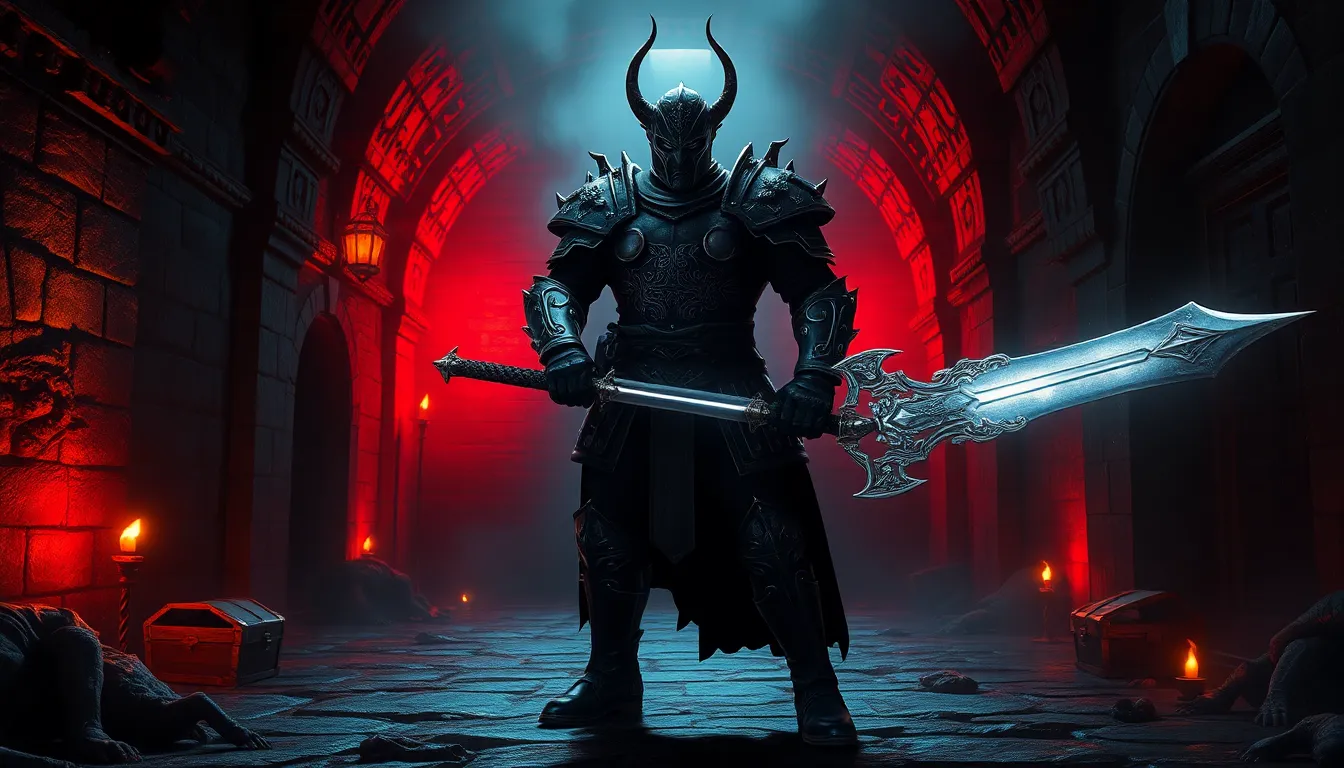
Finding the top Diablo game can spark endless debates among fans. Blizzard’s action RPG franchise has delivered demon-slaying adventures since 1996, and each entry brings something different to the table. Some players swear by the dark gothic atmosphere of earlier titles. Others prefer the polished mechanics of recent releases. This guide ranks the best Diablo games and helps fans decide where to start their journey through Sanctuary.
Key Takeaways
- Diablo II: Resurrected remains the top Diablo game for veterans, offering the classic experience with modern graphics and quality-of-life improvements.
- Diablo IV delivers a darker tone, open world exploration, and active seasonal updates ideal for players seeking modern graphics and ongoing development.
- Diablo III: Reaper of Souls provides the most polished and accessible gameplay, making it perfect for casual players and newcomers to the franchise.
- A great Diablo game combines addictive loot systems, diverse class builds, dark gothic atmosphere, and satisfying combat mechanics.
- New players should choose their starting point based on preferences: Diablo IV for modern features, Diablo II for classic gameplay, or Diablo III for the smoothest introduction.
- Budget-conscious fans can watch for frequent Blizzard sales, with Diablo III often dropping below $20 during major promotions.
What Makes a Great Diablo Game
A top Diablo game needs several core elements working together. The loot system sits at the heart of every entry. Players grind dungeons and battle bosses for that dopamine hit when a legendary item drops. The best Diablo games make this loop addictive without feeling like a chore.
Class variety matters too. Each Diablo game offers distinct character builds with unique playstyles. A Necromancer commands armies of the undead while a Barbarian charges into combat swinging massive weapons. Great class design lets players experiment and find their preferred approach to demon hunting.
Atmosphere separates good action RPGs from great ones. The franchise built its reputation on dark, gothic horror. Creepy dungeons, unsettling enemies, and grim storylines create tension that lighter games can’t match. Fans expect that signature darkness from any top Diablo experience.
Endgame content keeps players invested long after the campaign ends. Rifts, seasonal challenges, and ladder systems give dedicated fans reasons to keep grinding. A Diablo game without solid endgame loses its player base within weeks.
Finally, the combat needs to feel satisfying. Abilities should land with impact. Enemies should react to attacks. Screen-clearing spells should make players feel powerful. This tactile quality turns simple clicking into genuine fun.
The Best Diablo Games of All Time
Ranking the top Diablo games requires weighing nostalgia against modern design. Each entry has passionate defenders and valid criticisms. Here’s how the franchise stacks up.
Diablo II: Lord of Destruction
Diablo II remains the gold standard for many fans. Released in 2000 with the Lord of Destruction expansion following in 2001, this game defined the action RPG genre. Its skill tree system gave players meaningful choices. Its item system created a trading economy that persisted for over two decades.
The atmosphere hits differently here. Cathedral crypts feel genuinely threatening. The journey from Act I’s monastery to Act V’s frozen peaks offers incredible variety. Boss fights against Duriel, Mephisto, and Baal became gaming legends.
Diablo II: Resurrected brought this classic to modern systems in 2021. Updated graphics preserve the original art direction while making the game accessible to new players. This remaster proves why Diablo II still claims the top Diablo spot for many veterans.
Diablo IV
Diablo IV launched in June 2023 and immediately became a commercial success. Blizzard returned to the darker tone fans requested after Diablo III’s colorful aesthetic. The open world design marked a significant departure from linear predecessors.
The game features five classes at launch: Barbarian, Sorceress, Rogue, Druid, and Necromancer. Each offers deep customization through skill trees and paragon boards. Seasonal content adds new mechanics and storylines every few months.
Diablo IV’s endgame includes Nightmare Dungeons, Helltides, and world bosses that require coordination with other players. The shared world means fans encounter others during their adventures, creating organic multiplayer moments. Critics point to some repetitive content, but ongoing updates continue improving the experience.
Diablo III: Reaper of Souls
Diablo III launched poorly in 2012. The real-money auction house undermined the loot grind that fans loved. Server issues plagued launch week. Many declared the franchise dead.
Then Reaper of Souls arrived in 2014 and fixed nearly everything. The expansion removed the auction house, introduced Adventure Mode, and added the Crusader class. Greater Rifts gave competitive players something to chase. The loot system received a complete overhaul.
Today, Diablo III offers the most polished moment-to-moment gameplay in the series. Combat flows smoothly. Set bonuses enable wildly different builds. Seasonal content kept players engaged for years. It may lack the darkness of other entries, but it remains a top Diablo game for accessibility and pure fun.
Which Diablo Game Should You Play First
New fans face a genuine choice. Each top Diablo game offers valid entry points with different strengths.
Players who want modern graphics and active development should start with Diablo IV. The open world provides freedom that earlier games lack. Regular seasonal updates mean the community stays active. New players won’t struggle with dated controls or resolution issues.
Those who prefer classic gameplay should try Diablo II: Resurrected. The remaster maintains everything that made the original legendary while adding quality-of-life improvements. Players experience the game that defined the genre without dealing with 2000-era technical limitations.
Fans seeking the smoothest introduction might prefer Diablo III: Reaper of Souls. The game holds hands more than its predecessors. Difficulty scaling adapts to player skill. The Adventure Mode structure works well for casual sessions.
Story purists should play chronologically: Diablo, Diablo II, Diablo III, then Diablo IV. Each game references previous events. Playing in order reveals how the conflict between Heaven and Hell evolved across decades.
Budget-conscious players should watch for sales. Blizzard frequently discounts older titles. Diablo III often drops below $20 during major sales, making it an affordable way to test whether the franchise suits their tastes.
Eventually, there’s no wrong answer. Every top Diablo game delivers demon-slaying action. The differences come down to personal preference for atmosphere, mechanics, and presentation.