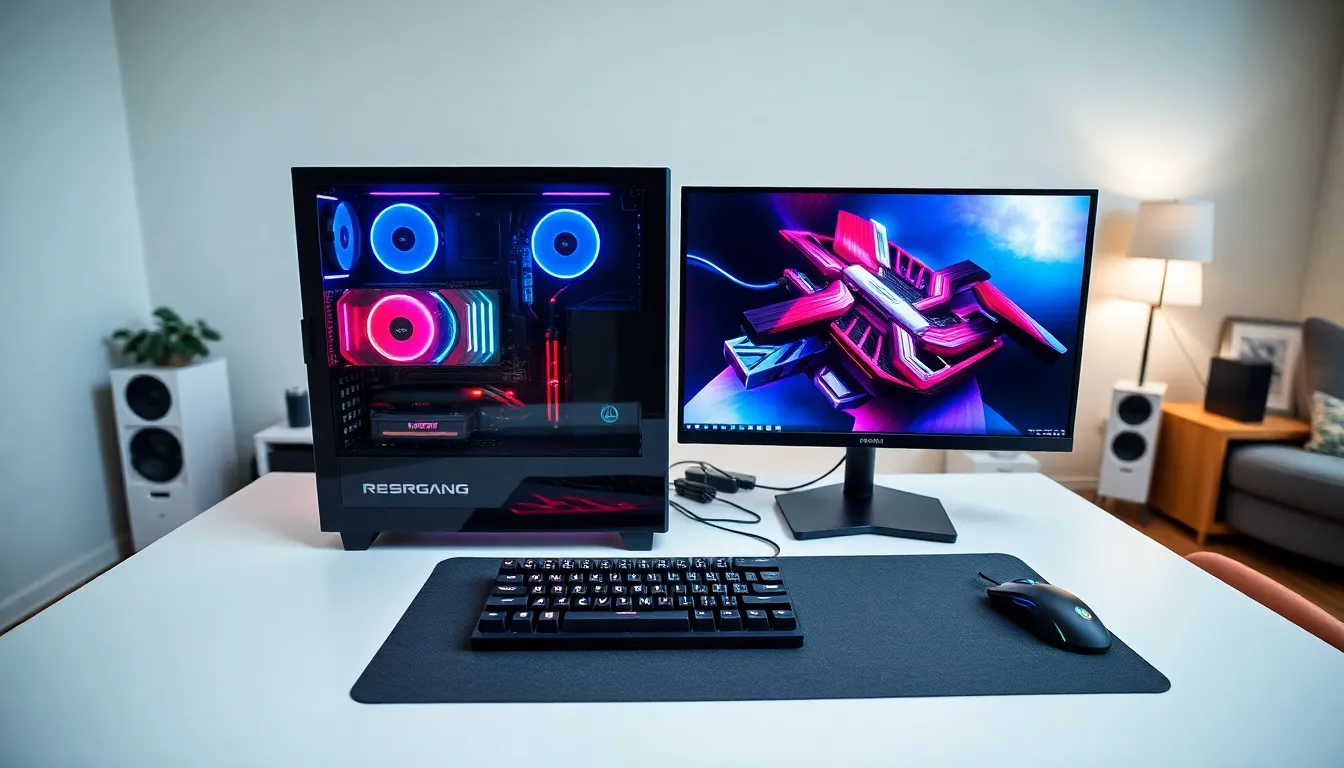
PC gaming offers an unmatched combination of power, flexibility, and choice. Whether someone wants to play the latest AAA titles at maximum settings or jump into indie gems, a gaming PC delivers experiences that consoles simply can’t match. This guide covers everything from essential hardware components to optimization tips. Beginners will learn how to get started, while enthusiasts will find useful insights to level up their setup. By the end, readers will understand why millions of gamers choose PC as their primary platform.
Key Takeaways
- PC gaming delivers superior customization, performance, and access to a massive game library that consoles cannot match.
- A quality gaming PC requires balanced components: prioritize the GPU for visuals, aim for 16GB RAM, and use an NVMe SSD for fast load times.
- Building a custom PC offers better value and upgrade flexibility, while pre-built systems provide convenience and unified warranties.
- Multiple storefronts like Steam, Epic Games Store, and Xbox Game Pass give PC gamers access to frequent sales and subscription options.
- Optimize your PC gaming experience by keeping drivers updated, adjusting in-game settings strategically, and monitoring system temperatures.
- Pairing your gaming PC with a high-refresh-rate monitor unlocks the full potential of your hardware for smoother gameplay.
What Makes PC Gaming Unique
PC gaming stands apart from console gaming in several important ways. The most obvious advantage is customization. Gamers can upgrade individual components, adjust graphics settings, and modify games to suit their preferences. A console locks users into fixed hardware for years. A gaming PC evolves with the owner.
Performance is another major factor. High-end gaming PCs deliver frame rates and resolutions that consoles can’t touch. Playing at 4K with 120 frames per second requires serious hardware, and PC gaming makes that possible. Even mid-range systems outperform current-generation consoles in many titles.
The game library on PC is massive. Steam alone hosts over 70,000 games. Players have access to decades of PC gaming history, from classic titles to brand-new releases. Many games receive PC versions first, and some genres, like real-time strategy and simulation games, thrive exclusively on PC.
Mods extend the life of games dramatically. Communities create new content, fix bugs, and overhaul graphics. Games like Skyrim and Minecraft have thousands of mods that transform the original experience. This level of community involvement doesn’t exist on consoles.
Finally, a gaming PC does more than play games. It handles work, streaming, video editing, and everyday tasks. That versatility makes PC gaming a smart investment for anyone who needs a powerful computer anyway.
Essential Hardware Components for Gaming PCs
Building or buying a gaming PC requires understanding the core components. Each part plays a specific role in overall performance.
Graphics Card (GPU): The GPU handles all visual processing. It determines how games look and how smoothly they run. NVIDIA and AMD dominate this market. For 1080p gaming, a mid-range card like the RTX 4060 or RX 7600 works well. Higher resolutions demand more powerful options like the RTX 4070 or RX 7800 XT.
Processor (CPU): The CPU manages game logic, physics, and background tasks. Modern games benefit from processors with at least 6 cores. Intel’s Core i5 and AMD’s Ryzen 5 series offer excellent value for PC gaming. Serious enthusiasts might choose i7 or Ryzen 7 chips for extra headroom.
Memory (RAM): Games need RAM to store active data. 16GB is the current standard for PC gaming. Some newer titles recommend 32GB. Speed matters too, DDR5 memory offers faster data transfer than DDR4.
Storage: Solid-state drives (SSDs) have replaced traditional hard drives for gaming. NVMe SSDs load games in seconds and reduce texture pop-in. A 1TB NVMe drive provides a good starting point. Many gamers add a secondary drive for their larger libraries.
Motherboard: This component connects everything together. It must match the CPU socket type and support the desired RAM and storage. Look for boards with enough USB ports and expansion slots for future upgrades.
Power Supply (PSU): The PSU delivers electricity to all components. A quality 650W unit handles most gaming builds. High-end graphics cards may require 750W or more. Always choose a reputable brand, cheap power supplies can damage other parts.
Case and Cooling: Good airflow prevents overheating. Cases with mesh fronts and multiple fan mounts keep temperatures low. Some gamers prefer liquid cooling for quieter operation and better thermal performance.
Building vs. Buying a Pre-Built Gaming PC
New PC gamers face a choice: build a custom system or buy a pre-built machine. Both options have clear advantages.
Building a Custom PC:
Building offers maximum control over component selection. Gamers pick exactly what they want and avoid paying for parts they don’t need. Custom builds typically cost less than equivalent pre-builts because buyers skip the assembly markup.
The process teaches valuable skills. Understanding how components work together makes troubleshooting easier later. Upgrading becomes straightforward when the builder knows their system inside and out.
But, building requires time and research. First-time builders should expect to spend several hours on assembly. Mistakes can happen, though modern components are fairly forgiving. Warranty claims must go through individual manufacturers rather than a single company.
Buying a Pre-Built PC:
Pre-built systems arrive ready to use. Buyers plug them in and start gaming immediately. This convenience appeals to people who don’t want to research parts or handle assembly.
Major manufacturers offer warranties that cover the entire system. If something breaks, one phone call starts the repair process. This simplicity has real value for less technical users.
The downsides include higher prices and less flexibility. Some pre-builts use proprietary parts that limit upgrade options. Cheaper models may cut corners on power supplies or cooling. Research matters even when buying pre-built.
The Verdict:
Enthusiasts who enjoy tinkering should build. Those who prioritize convenience should buy pre-built. Either path leads to great PC gaming experiences.
Top Gaming Platforms and Storefronts
PC gaming benefits from multiple digital storefronts. Competition keeps prices low and gives gamers plenty of choices.
Steam: Valve’s platform dominates PC gaming. Steam hosts the largest game library and runs frequent sales. Features like cloud saves, achievements, and community forums add value. The Steam Deck proved that Valve continues to innovate.
Epic Games Store: Epic offers free games every week, a major draw for budget-conscious gamers. The store takes a smaller cut from developers (12% versus Steam’s 30%), which has attracted many exclusives. The client lacks some features but improves steadily.
GOG (Good Old Games): GOG specializes in DRM-free games. Buyers own their purchases completely and can install them without client software. The platform also preserves classic PC games that might otherwise be lost.
Xbox PC App (Game Pass): Microsoft’s subscription service offers hundreds of games for a monthly fee. Game Pass includes day-one access to all Xbox first-party titles. For gamers who play many different games, this represents outstanding value.
EA App and Ubisoft Connect: These publisher-specific clients are required for their respective games. Neither offers the same breadth as Steam, but they provide access to major franchises like FIFA, Battlefield, Assassin’s Creed, and Far Cry.
Most PC gamers use multiple platforms. Free launchers make this easy, and sales across different stores help build large libraries without spending much money.
Tips for Optimizing Your PC Gaming Experience
Getting the most from a gaming PC involves more than just buying good hardware. These optimization tips help gamers squeeze extra performance and enjoyment from their systems.
Keep Drivers Updated: Graphics card drivers improve performance and fix bugs. NVIDIA and AMD release updates regularly, especially around major game launches. The GeForce Experience and AMD Software apps make updating simple.
Adjust In-Game Settings: Not every setting needs to run at maximum. Options like volumetric fog, ray tracing, and ultra shadows hit performance hard with minimal visual benefit. Lowering these settings often doubles frame rates without noticeably degrading image quality.
Monitor Temperatures: Overheating causes throttling and shortens component lifespan. Free tools like HWiNFO and MSI Afterburner display real-time temperatures. GPUs should stay below 85°C under load. CPUs vary by model but generally shouldn’t exceed 90°C.
Enable Game Mode in Windows: Windows 11 includes a Game Mode that prioritizes gaming performance. It reduces background activity and prevents Windows Update from restarting during play sessions.
Use an SSD for Frequently Played Games: Load times depend heavily on storage speed. Installing favorite games on an NVMe SSD makes a noticeable difference, especially in open-world titles.
Consider a Gaming Monitor: A powerful PC paired with a basic monitor wastes potential. Gaming monitors offer higher refresh rates (144Hz or more), faster response times, and adaptive sync technology. These features make gameplay feel smoother and more responsive.
Clean the System Regularly: Dust buildup restricts airflow and raises temperatures. Cleaning the case and fans every few months keeps the system running cool. Compressed air works well for hard-to-reach areas.