PC gaming opens up a world of high-performance graphics, expansive game libraries, and customizable experiences. For newcomers, the process of how to PC gaming can feel overwhelming at first. This guide breaks down the essential steps to help beginners build their setup, find great games, and optimize their experience. Whether someone wants to play competitive shooters, story-driven RPGs, or indie titles, PC gaming offers something for every player. The following sections cover everything from choosing hardware to fine-tuning settings for the best performance.
Key Takeaways
- PC gaming beginners can choose between pre-built systems for convenience or custom-built rigs for better value and customization.
- The graphics card (GPU) impacts gaming performance more than any other component, so prioritize it when building or buying a PC.
- Create accounts on Steam, Epic Games Store, and Xbox Game Pass to access thousands of games, free titles, and subscription deals.
- Always check a game’s system requirements before downloading to ensure smooth performance on your hardware.
- Optimize in-game settings like shadows and anti-aliasing to balance visual quality with frame rates for the best PC gaming experience.
- Regular maintenance—including dust removal, driver updates, and storage management—extends your gaming PC’s lifespan.
Choosing the Right Gaming PC
The first step in PC gaming is selecting the right machine. This decision shapes the entire experience, from which games can run smoothly to how long the system remains relevant. Buyers have two main paths: pre-built systems or custom-built rigs.
Pre-Built vs. Custom-Built Systems
Pre-built gaming PCs come ready to use out of the box. Companies like HP, Dell, and specialized brands such as iBUYPOWER and CyberPowerPC offer systems at various price points. These machines save time and often include warranties covering the entire system. For beginners who don’t want to research individual parts, pre-built options provide a straightforward entry into PC gaming.
Custom-built systems offer more control. Builders choose every component, which allows them to prioritize certain features like graphics power or storage capacity. Building a PC also tends to cost less than buying a comparable pre-built machine. But, it requires research and patience. First-time builders should watch tutorial videos and double-check compatibility between parts. Both approaches work well, the right choice depends on budget, time, and comfort level with technology.
Essential Hardware Components to Consider
Several components determine how well a PC handles games:
- Graphics Card (GPU): This component handles visual processing. Popular options include NVIDIA’s GeForce RTX series and AMD’s Radeon RX cards. The GPU affects frame rates and visual quality more than any other part.
- Processor (CPU): The CPU manages game logic and system tasks. Intel Core and AMD Ryzen processors power most gaming builds. A mid-range CPU pairs well with most graphics cards.
- RAM: Most modern games need 16GB of RAM for smooth performance. Some players opt for 32GB, though 16GB handles most titles without issues.
- Storage: Solid-state drives (SSDs) load games faster than traditional hard drives. A 1TB SSD provides enough space for a decent game library.
- Power Supply: The PSU must deliver enough wattage for all components. A 650W to 750W unit suits most mid-range to high-end builds.
Understanding these parts helps buyers make informed decisions about PC gaming hardware.
Setting Up Your Gaming Space
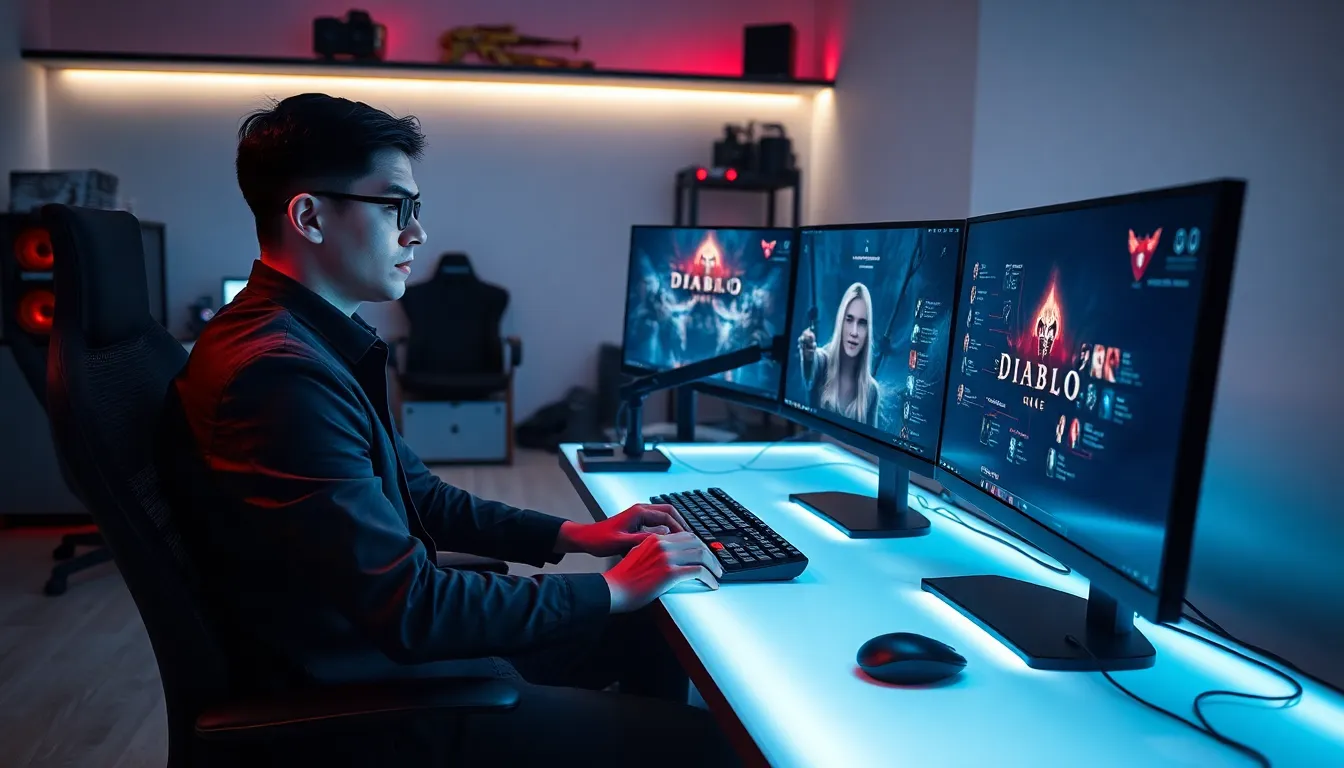
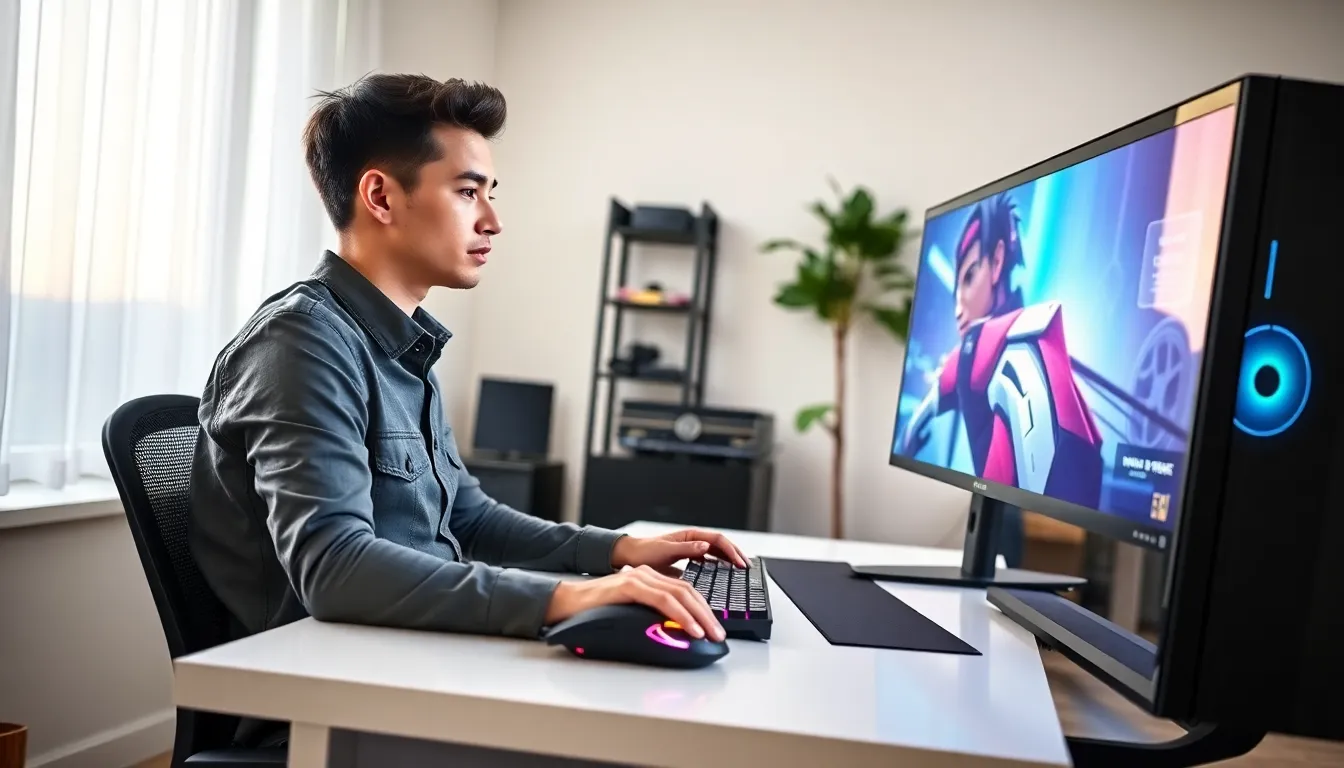
A proper gaming space improves comfort and performance during long sessions. The setup doesn’t need to be expensive, but a few key elements make a difference.
Start with a desk that offers enough surface area for a monitor, keyboard, mouse, and any additional peripherals. A sturdy desk prevents wobbling during intense gameplay. Pair the desk with an ergonomic chair that supports good posture. Gaming sessions can last hours, and back pain from a poor chair ruins the experience.
Monitor choice matters for PC gaming. A 1080p display at 144Hz offers smooth visuals for competitive games. Players who prioritize graphics might prefer a 1440p or 4K monitor, though these require stronger hardware. Position the monitor at eye level to reduce neck strain.
Peripherals round out the setup. A mechanical keyboard provides satisfying feedback and durability. A gaming mouse with adjustable DPI settings offers precision in shooters and strategy games. Headphones or speakers complete the audio experience, quality sound adds immersion to every game.
Good lighting reduces eye strain. Avoid placing the monitor directly in front of a bright window. Some players add LED strips behind their monitors to create ambient lighting that reduces contrast between the screen and the surrounding area.
Finding and Downloading Games
PC gaming provides access to thousands of titles through digital storefronts. Steam remains the largest platform, hosting indie games and AAA releases alike. New players should create a Steam account and browse the store’s categories and sales. Steam sales happen multiple times per year and offer significant discounts.
Other platforms expand the options. Epic Games Store gives away free games weekly, which helps newcomers build a library without spending money. GOG (Good Old Games) specializes in DRM-free titles, including classic games. Xbox Game Pass for PC offers a subscription model with access to hundreds of games for a monthly fee.
Before downloading, players should check system requirements listed on each game’s store page. These requirements show minimum and recommended specs. Running a game below minimum specs leads to poor performance or crashes. Meeting recommended specs ensures a seamless process at higher settings.
PC gaming also supports mods, player-created modifications that change or enhance games. Websites like Nexus Mods host thousands of mods for popular titles. Mods can add new content, improve graphics, or fix bugs. This feature gives PC versions of games longer lifespans and more variety than console versions.
Optimizing Performance and Settings
Getting the best performance from PC gaming requires some tweaking. Most games include graphics settings menus with options for resolution, texture quality, shadows, and more. Adjusting these settings balances visual quality against frame rate.
Start by setting the resolution to match the monitor’s native resolution. Running games at lower resolutions looks blurry, while higher resolutions waste processing power. Next, adjust individual settings based on their performance impact. Shadows, ambient occlusion, and anti-aliasing often consume significant resources. Lowering these settings can boost frame rates without drastically changing the visual experience.
Graphics card software provides additional tools. NVIDIA’s GeForce Experience and AMD’s Adrenalin software offer game-specific optimization profiles. These profiles adjust settings automatically based on the system’s hardware. Keeping GPU drivers updated ensures compatibility with new games and often improves performance.
Monitoring tools help identify bottlenecks. Programs like MSI Afterburner display real-time stats including frame rate, GPU usage, CPU usage, and temperatures. If the CPU hits 100% usage while the GPU sits lower, the system has a CPU bottleneck. This information guides future upgrade decisions.
PC gaming benefits from regular maintenance. Clearing dust from fans and filters keeps temperatures low. Uninstalling unused games frees up storage space. Running disk cleanup and defragmentation (for HDDs) maintains system health. These habits extend the lifespan of gaming hardware.